





Stalag 326 (VI K) Senne Memorial

Details:
On the south side of the road.
MuseumSince 1996, a research center and museum have been housed in the detention barracks building of POW Camp Stalag 326 (VI K) Senne. During the period 1941-1945, the Camp registered about 300,000 Soviet prisoners of war, as well as additional French, Belgian, Serbian, and Polish POWs, and Italian military detainees after 1943. Although estimates vary, 15,000 to 65,000 prisoners who died from disease, abuse, and hunger during captivity were buried in 36 nearby mass graves.
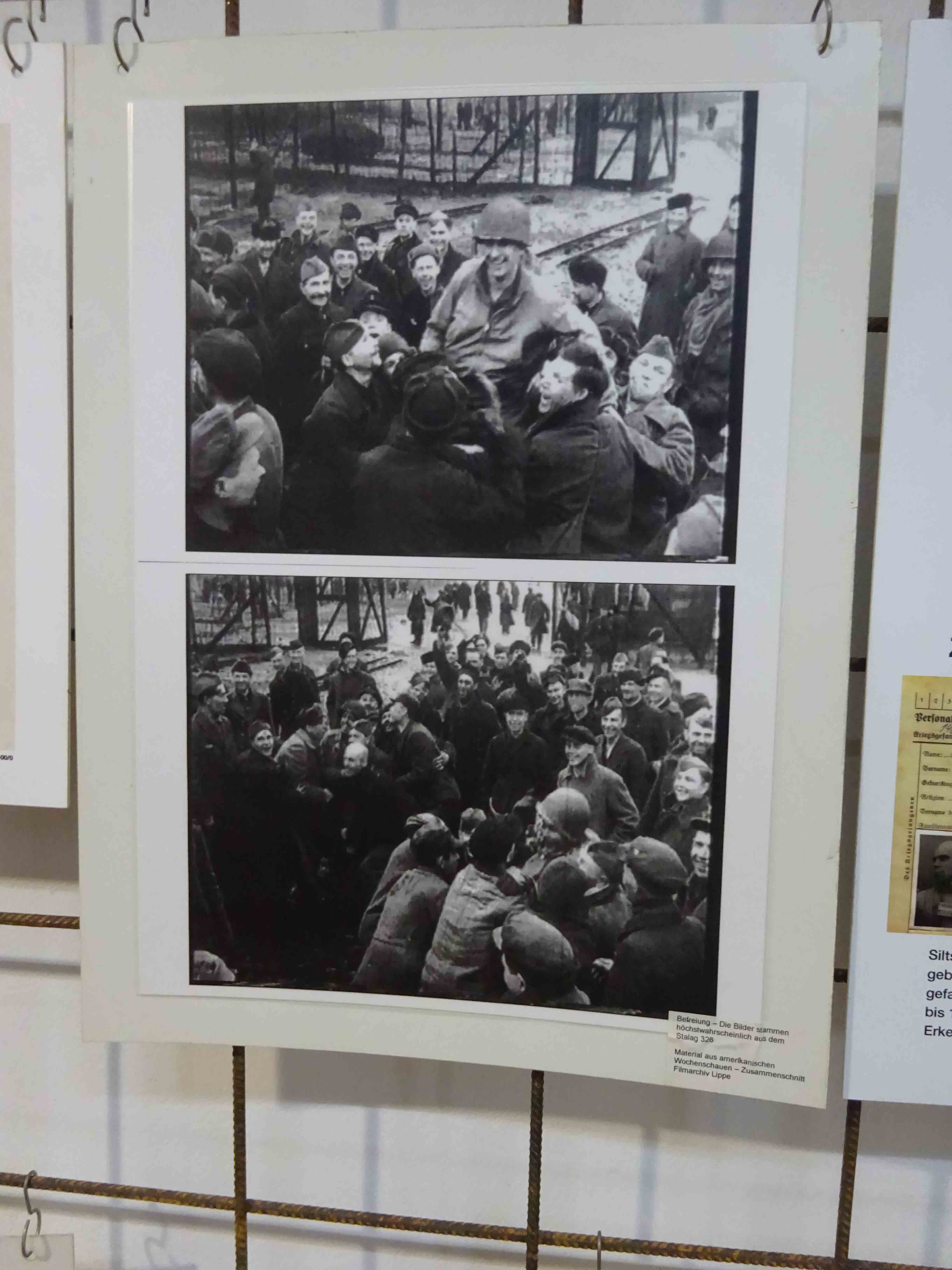
After landing on Omaha Beach at Normandy and fighting its way at the head of the 2nd Armored Division and Ninth U.S. Army through the Netherlands and Belgium into northwestern Germany, B Company, 82d Armored Reconnaissance Battalion liberated Stalag 326 on 2 April 1945. This unit, under the command of Captain George L. Karl, quickly transitioned from combat operations to security and support of about 9,000 POWs, including mostly Soviet prisoners, about 110 French, and about 1400 severely sick and wounded. They kept freed POWs within the Camp to minimize potential revenge and looting against not only local German officials, but also farmers and businesses that employed POWs for forced labor during captivity.
82nd Armored Reconnaissance Battalion soon transferred responsibility for the POW Camp to follow-on forces from 3rd Battalion, 117th Infantry Regiment, 30th Infantry Division, and continued its 250-mile operational advance from Westfalen Plains to the Elbe River south of Magdeburg during 3-17 April 1945, for which the Battalion received the Presidential Unit Citation.
Soviet survivors erected an obelisk with U.S. Army help within the month after camp liberation, in the Camp mass grave site about 1.5 kilometers east of the Camp. By Summer 1945, Soviet prisoners were transported back to the Soviet Union -- but since Stalin in 1943 decreed that all Soviets captured by foreign forces were traitors and collaborators, reportedly many former POWs either committed suicide before deportation or were interned after return, in Soviet camps.
During 1946-1947, British occupation authorities operated the facility as Civilian Internment Camp (CIC) Number 7 for persons suspected of war crimes, leading figures from industry and the Nazi Party, as well as members of Nazi organizations. Early the following year, it became a holding camp for refugees and displaced persons before it was closed in 1970. Since 1970, the site has been used by the Nordrhein-Westfalen Police Training Center.
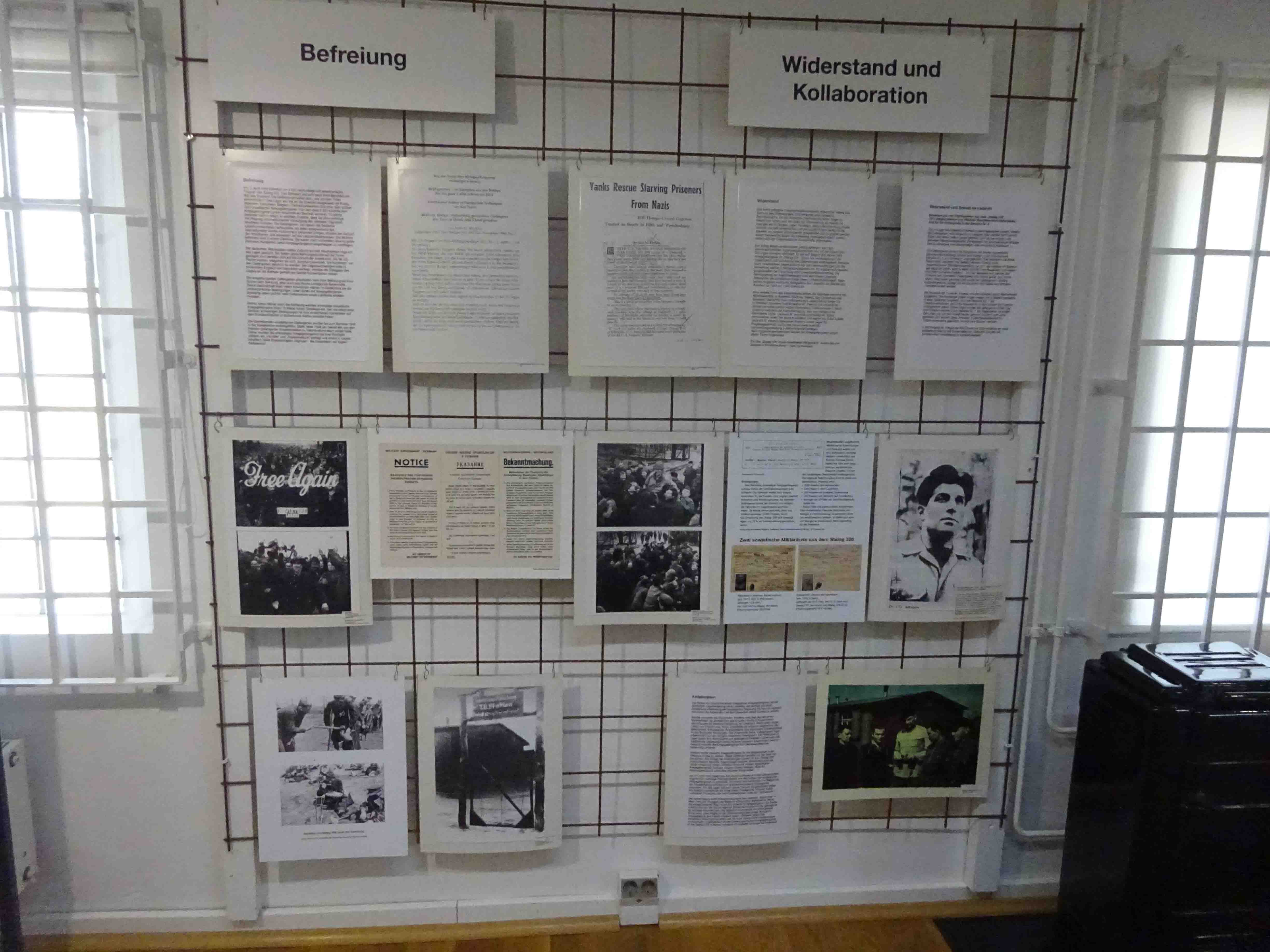
The Research Center and Museum at the site includes displays of artifacts from POW life, as well as detailed information on historical perspectives and personal anecdotes from Camp life, liberation, and attempts to document the fates of POWs from Stalag 326 (VI K) Senne.
Source of information: https://stalag326.de, muse.jhu.edu, www.oldhickory30th.com, www.congress.gov
Source of photos: www.bildung-ns-zwangsarbeit.de, www.bpb.de, en.teutoburgerwald.de, stalag326.de, muse.jhu.edu, Jim Yentz
Monument Text: